Imagine sitting down for dinner after your procedure only to realize the only safe option in your fridge is another bowl of lukewarm yogurt. It is a common frustration for many of our patients in San Jose who feel caught between a craving for real flavor and the fear of developing a painful complication like dry socket. Finding the right soft foods after oral surgery should not feel like a chore or a compromise on your health. We understand that while modern laser dental treatments often lead to faster initial healing, your daily nutrition remains the most vital pillar of your recovery process.
You deserve a recovery period that feels like a time of gentle self-care rather than a week of bland restriction. This guide offers a comprehensive and nutritionally balanced roadmap to help you eat comfortably while actively supporting your body’s tissue regeneration. We will explore a variety of tasty, protein-rich meal ideas that go far beyond basic liquids. You will also gain a clear timeline for when to safely return to solids and professional advice on managing food temperatures and textures. Let’s build your confidence and ensure your healing journey is as smooth and delicious as possible.
Key Takeaways
- Learn why a dedicated diet of soft foods after oral surgery is essential for protecting your surgical site and preventing painful complications like dry socket.
- Discover how to prioritize protein and complex carbohydrates to maintain your energy levels and support rapid tissue repair without sacrificing flavor.
- Identify “red flag” foods, such as small seeds and acidic ingredients, that can irritate sensitive sites or cause unexpected setbacks in your healing journey.
- Follow a structured 7-day meal plan that guides you through the transition from cooling liquids to nourishing, fork-tender solid foods.
- Understand how advanced laser dental treatments at Butterfly Dental Care can streamline your initial recovery while still requiring a thoughtful approach to nutrition.
Why a Soft Food Diet is Critical for Oral Surgery Recovery
Whether you have just received a dental implant or underwent a routine extraction, the first few days of recovery are a delicate period for your mouth. Specialized providers like Implantološki centar Smile emphasize that choosing the right soft foods after oral surgery is not merely a matter of comfort; it’s a clinical necessity to protect the surgical site from mechanical trauma. During the initial inflammatory phase, your body works tirelessly to form a stable blood clot. This clot acts as a biological bandage, protecting exposed bone and nerve endings. If this clot is dislodged, a painful condition known as dry socket, or alveolar osteitis, can occur, which significantly delays your healing timeline. By sticking to a gentle diet, you provide a safe environment for tissue regeneration to take place without interference.
Proper nutrition provides the essential building blocks for this repair process. Your body requires adequate vitamins and minerals to fuel the regenerative phase, yet you must balance this need with the physical limitations of your surgical site. For additional resources on surgical recovery and oral health, check out Concept Dental. Hydration is equally vital, though it requires a careful approach. You should drink plenty of water to keep tissues supple and aid in the removal of metabolic waste, but you must avoid using straws. The suction created by a straw can easily pull the healing blood clot right out of its socket, leading to the very complications we want to avoid.
The Science of Healing and Texture
Sharp, crunchy, or brittle foods pose a significant risk because they can act like sandpaper against your sutures. Even a small piece of a chip or a crusty bread roll can tear delicate stitches or irritate raw tissue. For those who have received dental implants, maintaining stability is the top priority. Excessive chewing pressure during the early stages can interfere with osseointegration, the process where your bone fuses with the implant. To ensure success, you should understand What is a soft food diet? In a clinical dental context, a soft food diet consists of items that require minimal to no mastication and present zero risk of mechanical irritation to healing oral structures.
When to Start Eating After Your Procedure
Patience is your best ally immediately following your appointment. You should wait until the local anesthesia has completely worn off before attempting to eat anything. Attempting to chew while your mouth is numb often leads to accidentally biting your cheek or tongue, which creates additional injuries. We typically recommend a strictly liquid window for the first 24 hours to give the surgical site time to stabilize. During the first 12 hours, cold temperatures are your best friend. Cold liquids and purees help with vasoconstriction, which reduces swelling and provides a natural soothing effect. While our laser dental treatments in San Jose often lead to a faster initial recovery, following these temperature and texture guidelines remains essential for a stress-free healing experience.
The Best Soft Foods After Oral Surgery: Categorized by Nutrition
Selecting soft foods after oral surgery involves more than just finding items that are easy to swallow. It is about fueling your body’s recovery with high-quality nutrients that actively promote cell regeneration and tissue repair. While it’s tempting to reach for ice cream or sugary gelatin, these lack the protein and vitamins necessary for long-term healing. Following expert advice on post-surgery nutrition ensures you maintain your strength during the naturally lethargic recovery phase. Whether you are healing from a complex extraction or the placement of dental implants, focusing on these nutritional categories will make your journey much smoother.
Protein Powerhouses for Tissue Repair
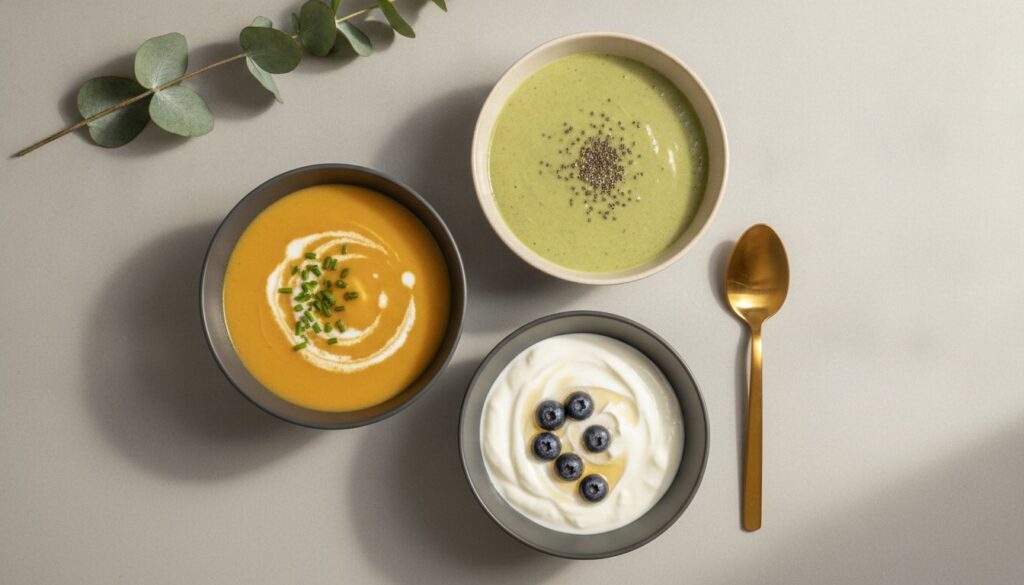
Protein is the essential building block for collagen production and wound closure. Scrambled eggs are often considered the gold standard because they are soft, easy to prepare, and highly bioavailable. For a cool, soothing option, Greek yogurt and cottage cheese provide a high protein punch with almost zero chewing effort. Greek yogurt also offers beneficial probiotics, which can be particularly helpful if your procedure required a course of antibiotics. If you prefer protein shakes or smoothies, they are excellent for getting calories in quickly. Just remember the golden rule: never use a straw, as the suction can jeopardize your healing site. Because collagen is also the foundation of facial rejuvenation, those interested in aesthetic wellness can learn more about Tseng Plastic Surgery and their non-surgical lifting techniques.
Comforting Carbohydrates and Grains
You need sustained energy to help your body manage the natural inflammatory response. Mashed potatoes and sweet potatoes are wonderful options because they are creamy and rich in Vitamin A, which supports immune function. Sweet potatoes also provide a gentle source of fiber, which helps keep your digestion regular during a period of reduced physical activity. Well-cooked oatmeal or cream of wheat offers a heartier texture that remains safe for sensitive gums. As your recovery progresses into the third or fourth day, you might introduce soft polenta or a gentle risotto. These grains provide a sense of normalcy and satiety while remaining remarkably kind to your surgical site.
Vitamin-Rich Fruits and Vegetables
Getting your daily dose of produce doesn’t have to be difficult even when your jaw feels stiff. Mashed avocado is a patient favorite, offering healthy fats to reduce systemic inflammation along with a significant dose of potassium. For something sweet, unsweetened applesauce and mashed overripe bananas are gentle on the palate and easy to digest. Blended vegetable soups, such as butternut squash or tomato, are perfect for delivering vitamins without any mechanical irritation. If you have questions about your specific dietary needs or how our laser dental treatments can help you heal faster, don’t hesitate to reach out to our team.
What to Avoid: The “Red Flag” Foods and Habits
Navigating your recovery requires a bit of vigilance regarding what you put in your mouth. While you are likely focused on finding the right soft foods after oral surgery, it is just as important to identify the items that can cause setbacks. Small, innocuous ingredients like poppy seeds or sesame seeds are particularly troublesome. These tiny particles can easily migrate into the surgical site, becoming trapped and potentially leading to infection or irritation. Similarly, sharp or crunchy foods like tortilla chips and crusty bread act as mechanical irritants that can tear delicate sutures or disrupt the healing tissue before it has a chance to stabilize. While we have discussed the best soft foods to eat after oral surgery, knowing what to exclude is the key to a stress-free week.
Temperature and Chemical Irritants
The temperature of your meals plays a significant role in the integrity of your healing site. Steaming hot coffee or soup might feel comforting, but excessive heat can actually dissolve a fresh blood clot or increase localized swelling. You should also steer clear of alcohol and carbonated beverages for at least the first 72 hours. Alcohol acts as a vasodilator, which can increase the risk of post-operative bleeding, while the bubbles in soda can physically agitate the raw tissue. Spicy seasonings like chili powder or hot sauce should be set aside for now. These ingredients can cause a stinging sensation and heighten inflammation in your sensitive gums.
Mechanical Dangers to Avoid
Sticky and chewy textures are major red flags during the first week of healing. Foods like caramel, taffy, or even thick peanut butter can create a suction effect that pulls on your stitches. You should also avoid tough meats that require significant grinding force, as the repetitive motion can lead to jaw muscle fatigue and unnecessary pressure on your surgical site. The most critical habit to break is the use of straws. Using a straw creates negative intraoral pressure that can physically dislodge the stabilizing blood clot from the alveolar socket, leading to the painful exposure of underlying bone. By avoiding these common pitfalls, you support the natural healing process we initiate during our laser dental treatments, ensuring your path to wellness is as smooth as possible.

Your 7-Day Post-Surgery Meal Plan
The first week following your procedure is the most critical window for ensuring long-term success. Rather than guessing what might be safe to eat, following a structured, phased approach allows your mouth to heal without unnecessary stress. This timeline is designed to transition you from maximum protection to a more diverse menu as your comfort increases. While every patient at Butterfly Dental Care recovers at a slightly different pace, this roadmap provides a reliable baseline for incorporating soft foods after oral surgery while keeping your nutrition a top priority.
Phase 1: Maximum Protection (First 48 Hours)
The first two days focus entirely on protecting the initial blood clot and minimizing swelling. You should prioritize cooling liquids and very smooth textures that require zero jaw movement. Hydration is paramount during this stage, so keep electrolyte-rich drinks or plain water nearby at all times. Remember to avoid any suction and stick to a spoon or cup. A sample menu for your first 24 hours might look like this:
- Breakfast: A chilled protein shake or a smooth fruit smoothie (blended thoroughly to remove all seeds).
- Lunch: Lukewarm or room-temperature bone broth, which provides essential amino acids for repair.
- Snack: Unsweetened applesauce or a bowl of smooth, plain pudding.
- Dinner: Creamy tomato or butternut squash soup that has been strained of any chunks.
Phase 2: Gradual Texture Increase (Days 3-5)
As the initial tenderness begins to subside, you can start introducing “fork-tender” solids. A simple way to test if a food is safe is the fork test. If you can easily mash the item with the back of a fork using minimal pressure, it is likely safe for your surgical site. During this phase, you are still avoiding any heavy chewing, but you can enjoy more satisfying flavors. A sample menu for Day 4 might include:
- Breakfast: Soft scrambled eggs cooked with a little butter for extra calories and ease of swallowing.
- Lunch: Mashed avocado on very soft, crustless white bread or a small bowl of cottage cheese.
- Dinner: Flaked white fish (like tilapia or cod) served with well-mashed potatoes or sweet potatoes.
By Days 5 through 7, you can often expand your menu to include semi-solid comfort foods like overcooked pasta, soft tofu, or well-cooked beans. Always monitor your body’s response before moving to the next level of texture. If you experience an increase in throbbing or swelling after eating, it is a sign to return to softer options for another day. If you have questions about your specific progress after receiving laser dental treatments, our team is always here to provide personalized guidance.
Recovery and Beyond at Butterfly Dental Care
At Butterfly Dental Care, our commitment to your comfort doesn’t end when you leave the dental chair. Dr. Jianye Chen and our dedicated team in San Jose take pride in providing a high-end, patient-centric experience that carefully guides you through every stage of tissue repair. While choosing the right soft foods after oral surgery is a vital part of your home care, the foundation of a smooth recovery often begins with our advanced technology. We utilize laser dental treatments, which typically result in less swelling and faster initial healing compared to traditional methods. Even with these modern advantages, your body still requires a thoughtful approach to nutrition and a watchful eye for any unusual symptoms.
You should feel confident and cared for during your recovery, but it is vital to recognize when a concern requires professional attention. While some minor discomfort is expected as you adjust to your new meal plan, certain “red flags” should prompt a call to our office. If you experience a sudden increase in pain that isn’t managed by your prescribed care, or if you notice persistent bleeding or a fever, please reach out to us immediately. We view our patients as guests, and your peace of mind is our highest priority. To understand more about the standard of care in facial and oral recovery, you can learn more from specialists like Dr. Aaron Fletcher, MD. As you prepare for your follow-up visit at our San Jose 95129 clinic, keep a brief log of your progress and any questions that arise about your transitioning diet.
Restoring Your Smile with Expertise
Achieving a healthy, functional smile requires a balance of clinical precision and personalized guidance. This is especially true when following the diet rules for dental implants San Jose patients must adhere to for long-term stability. As a leading restorative dentist in San Jose, Dr. Chen ensures that your post-operative plan is as bespoke as the procedure itself. We offer a strategy for wellness that supports the longevity of your dental work and your overall health.
Schedule Your Next Step
Whether you need a single tooth implant in San Jose or a routine checkup, our team provides a stress-free environment rooted in hospitality. We believe every dental journey should be a transformative experience that leaves you feeling respected and empowered. Your recovery is the bridge to your new smile. We’re here to support you every step of the way, ensuring your healing is as gentle and efficient as possible. We look forward to seeing your progress and helping you return to the foods you love.
Take the Next Step Toward Your New Smile
Your journey to a restored smile is a partnership between professional expertise and thoughtful home care. By following a structured timeline and choosing the right soft foods after oral surgery, you protect your investment and ensure a stress-free healing process. For readers interested in the global standards of such procedures, you can discover Dr Samintharaj Kumar, a leading specialist in complex dental implantology and oral surgery. A nutrient-dense, phased diet prevents complications like dry socket while fueling your body’s regeneration. Whether you’re recovering from a dental implant procedure or a routine extraction, these small daily choices make a significant difference in your long-term comfort.
In addition to international specialists, you can discover Greenlane Dental Practice for insights into comprehensive restorative and cosmetic dental care.
Furthermore, for those seeking high-quality private dentistry that prioritizes patient comfort, you can discover Peacock Dental Spa and their wide range of restorative and cosmetic options.
Similarly, for those based in San Antonio seeking a practice with decades of experience in personalized oral health and post-operative support, you can visit Colony Dental Care to learn about their approach to patient wellness.
At Butterfly Dental Care, we prioritize your peace of mind through every phase of treatment. Led by Dr. Jianye Chen, our compassionate San Jose practice utilizes advanced laser technology to provide a gentler, more efficient recovery experience for all our guests. We invite you to schedule your restorative consultation with Dr. Chen today to discuss your oral health goals with personalized attention. You deserve a recovery that feels supportive and a smile that feels like yours again. We’re here to help you every step of the way.
Frequently Asked Questions
How long do I have to eat soft foods after oral surgery?
Most patients should stick to a diet of soft foods after oral surgery for approximately seven days, though the exact timeline depends on the complexity of your procedure. For minor extractions, you may feel ready to transition after three or four days. However, for dental implants or bone grafting, Dr. Chen may recommend a longer window to ensure the site remains undisturbed during the initial healing phase.
Can I eat pancakes or bread after getting dental implants?
You can typically enjoy pancakes or very soft bread starting on day three or four, provided they are not toasted or crusty. It is best to avoid breads with seeds or grains that could get trapped in the surgical site. To ensure safety, try mashing the food with a fork; if it breaks apart easily, it is soft enough to eat without putting undue pressure on your new implant.
What happens if I accidentally eat something crunchy too soon?
If you accidentally chew something crunchy, don’t panic, but immediately stop and rinse your mouth gently with warm salt water. Check the site for any new bleeding or sharp pain, as hard particles can irritate the wound or dislodge a healing blood clot. If the area feels significantly more tender or begins to bleed persistently, please contact our San Jose office so we can ensure your recovery stays on track.
Is it okay to eat ice cream after oral surgery?
Ice cream is an excellent choice during the first 24 hours because the cold temperature helps reduce swelling and soothes the surgical area. You must choose flavors without crunchy mix-ins like nuts, chocolate chips, or cookie bits that could cause injury. Remember to enjoy your treat with a spoon rather than a cone to avoid unnecessary jaw pressure or suction during the early stages of healing.
Can I drink coffee or tea during my recovery?
You may enjoy coffee or tea, but it is essential to wait until the beverage is lukewarm rather than steaming hot. High temperatures can dissolve the stabilizing blood clot or increase localized inflammation. Additionally, avoid adding excessive sugar to your drinks, as recent dietary guidelines emphasize reducing added sugars for optimal oral health. Always sip directly from a cup instead of using a straw to protect your surgical site.
How can I get enough protein on a soft food diet?
Maintaining high protein intake is vital for tissue repair while you are restricted to soft foods after oral surgery. Excellent sources include scrambled eggs, cottage cheese, and Greek yogurt, which provide bioavailable protein with minimal chewing effort. You can also incorporate smooth protein shakes or silken tofu into your meals. These options help your body rebuild collagen and muscle tissue without irritating the raw surgical site or causing discomfort.
Why are straws forbidden after a tooth extraction?
Straws are forbidden because the suction creates negative pressure inside your mouth that can physically pull the blood clot out of the extraction site. This clot is necessary for protecting the underlying bone and nerves. If it is removed, you may develop a painful condition called dry socket. To prevent this complication, we recommend sipping all liquids directly from a glass for at least one week following your procedure.
When can I return to my normal exercise and eating routine?
Most patients can return to light exercise after three to five days, but you should wait for Dr. Chen’s approval before resuming high-impact workouts. Regarding your diet, you can usually start reintroducing firmer foods after one week as long as you feel no discomfort. If you had a complex procedure like a dental implant, you might need to avoid very hard or crunchy foods for several weeks to ensure total stability.
 English
 Chinese (Simplified)
 Spanish
 Vietnamese