
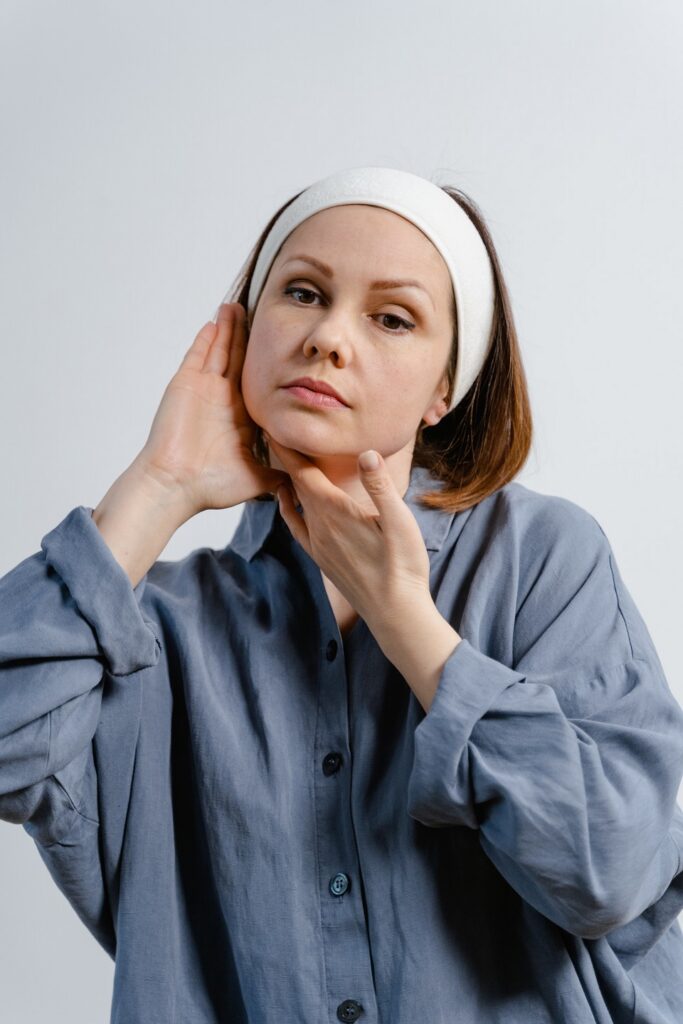
Many patients come to our office complaining of jaw pain, headaches, or worn teeth, unsure whether they’re dealing with bruxism, TMJ disorder, or both. Understanding the difference between these conditions (and how they’re connected) is essential for getting the right treatment and finding relief.
What Is Bruxism?
Bruxism is the medical term for grinding, gnashing, or clenching your teeth. This can happen during the day (awake bruxism) or while you sleep (sleep bruxism). Many people don’t even realize they’re grinding their teeth until a dentist notices wear patterns or a sleeping partner mentions the noise.
Common signs of bruxism include:
- Flattened, fractured, or chipped teeth
- Worn tooth enamel exposing deeper layers
- Increased tooth sensitivity
- Tired or tight jaw muscles
- Morning headaches
- Jaw, neck, or facial pain
Understanding TMJ Disorder
TMJ disorder (or TMD) refers to problems with your temporomandibular joint, which is the hinge that connects your jaw to your skull. This joint allows you to talk, chew, and yawn. When something goes wrong with this complex system of muscles, ligaments, and bones, it can cause significant discomfort.
TMJ disorder symptoms often include:
- Pain or tenderness in your jaw joint
- Clicking, popping, or grating sounds when opening or closing your mouth
- Difficulty chewing or a sudden uncomfortable bite
- Locking of the jaw joint
- Facial pain or aching around your ear
Bruxism vs TMJ: What’s the Difference?
When comparing bruxism vs TMJ, it’s important to understand that bruxism is an action (grinding or clenching), while TMJ disorder is a condition affecting the jaw joint itself. Think of it this way: bruxism is what you do, and TMD is what happens to your joint.
However, the relationship between teeth grinding and TMJ is more complicated than it might seem at first glance.
The Bruxism TMD Connection
So, is grinding related to TMJ? Absolutely. The bruxism-TMD connection works both ways. Teeth grinding can contribute to developing TMJ disorder by putting excessive pressure on the jaw joint and surrounding muscles. The constant clenching and grinding strains these structures, potentially leading to inflammation, misalignment, and pain.
Conversely, existing TMJ disorder can trigger bruxism. When your jaw joint isn’t functioning properly, your body may respond by grinding or clenching in an attempt to find a comfortable jaw position.
This creates a frustrating cycle: grinding worsens TMJ problems, which in turn can increase grinding behavior.
Getting the Right Diagnosis
At Butterfly Dental Care, Dr. Jianye Chen carefully evaluates patients to determine whether they’re dealing with bruxism, TMJ disorder, or both. A comprehensive examination includes checking for tooth wear, assessing jaw joint function, and discussing your symptoms and lifestyle factors.
Understanding your specific situation is crucial because treatment approaches may differ. While both conditions might benefit from a custom nightguard, TMJ disorder may require additional therapies such as physical therapy, lifestyle modifications, or addressing underlying causes.
Treatment Options
The good news is that both bruxism and TMJ disorder are treatable. Common approaches include:
- Custom-fitted nightguards to protect teeth and reduce grinding
- Stress management techniques
- Jaw exercises and physical therapy
- Dietary modifications to reduce jaw strain
- Addressing contributing factors like sleep disorders
If you’re experiencing jaw pain, frequent headaches, or notice your teeth looking worn, don’t wait to seek help. Early intervention can prevent more serious damage and improve your quality of life. Always remember that your oral health affects your overall wellness.
Call Butterfly Dental Care at 408-255-2011 to schedule an evaluation with Dr. Jianye Chen at our San Jose office. Together, we’ll determine the source of your symptoms and create a personalized treatment plan.
 English
 Chinese (Simplified)
 Spanish
 Vietnamese